When you unwrap a birthday present, the first thing that hits you is not the item inside but the box, ribbon, and little card that cradles it. The Hamper Emporium online Packaging is the silent salesman, the first impression that can make a simple chocolate truffle feel like a luxury indulgence or a plain coffee mug feel like a thoughtful gift. In this article we’ll explore why packaging design influences gift perception, digging into psychology, visual cues, and the tactile experience that turns a present into an experience.
The Psychology Behind First Impressions
Have you ever wondered why a sleek, matte‑finished box can make a cheap toy seem like a high‑end collectible? Our brains are wired to judge quickly. The first glance triggers a cascade of associations: brand, quality, and emotional value. This is where the phrase why packaging design influences gift perception comes alive.
Speed of Judgment
Humans form an opinion in less than a second. A study from the Journal of Consumer Research showed that 80% of perceived value is decided in the first 0.1 seconds. That means the packaging must do its job before the gift even opens.
The Halo Effect
When packaging looks premium, we automatically attribute other positive qualities to the product. A smooth finish, gold foil, or hand‑stitched detail creates a halo that extends beyond the box. It’s the same reason why luxury car owners often choose premium car wraps.
Emotional Resonance
Color, shape, and typography all tap into emotional triggers. Warm Australian delivery hues like red and orange can evoke excitement, while cool blues convey calm. When the packaging resonates with the recipient’s mood, the gift feels more personal.
> “Packaging is the first point of contact between the product and the consumer. It sets the tone.” – Jane Doe, Packaging Designer
Visual Elements That Speak Volumes
Design is a language. Even if you’re not fluent in typography, you can still read the signals that packaging sends.
Color Palette
- Rich, saturated colors suggest luxury and urgency. Pastels often signal softness and intimacy. Monochrome schemes convey sophistication and minimalism.
Choosing the right palette can subtly shift how a gift is perceived. A green box for a chocolate bar might feel like a health‑conscious treat, while a gold box screams indulgence.
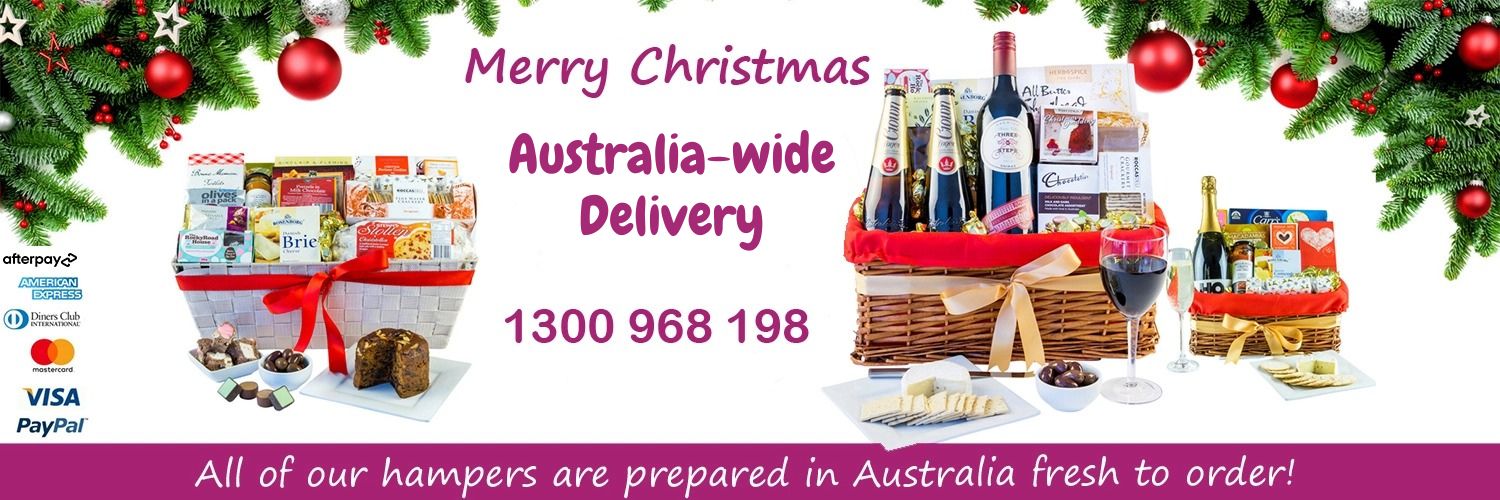
Typography
The font choice can convey personality. A handwritten script feels personal, whereas a bold sans‑serif screams modernity. Consistency between the typeface on the box and any accompanying card reinforces brand identity.
Imagery and Graphics
Illustrations, patterns, or photographs can add storytelling layers. A minimalist line drawing of a coffee bean on a mug’s packaging tells a different story than a vibrant, full‑color photo of a steaming latte.
Shape and Form
The geometry of the box—square, rectangular, or custom‑cut—creates expectations. A round, cylindrical package might feel playful, whereas a rigid, square box can feel corporate.
Material Matters: Texture and Weight
The tactile experience is often overlooked, yet it’s a powerful cue.
Weight as Quality Indicator
A heavier box feels sturdier and more substantial. If a cheap plastic wrapper feels flimsy, even the most elegant design can fail to convince.
Texture and Finish
- Matte finishes give a sophisticated, understated feel. Glossy surfaces can appear shiny and flashy. Embossed or debossed textures add depth and a premium touch.
Sustainable Materials
Eco‑friendly packaging can resonate with conscientious consumers. Recycled paper, biodegradable plastics, or plant‑based inks can enhance perceived value by aligning with personal values.
Storytelling Through Packaging
Packaging can narrate a story without a single word. Think of a holiday card that doubles as a keepsake or a chocolate box that unfolds like a comic book.

Layered Experiences
- Unboxing rituals: The way a box opens—snap, slide, or pop—can become part of the gift’s narrative. Hidden compartments: Secret pockets can surprise and delight, adding an element of mystery.
Personalization
Adding a recipient’s name or a custom message transforms a generic gift into a unique experience. Personalization taps into the psychological principle of ownership, making the gift feel more valuable.
Cultural Symbols
Incorporating cultural motifs can honor heritage and deepen emotional connection. A Japanese origami design on a tea set, for example, speaks volumes about tradition and respect.
Practical Tips for Designers and Gift Givers
Whether you’re a professional designer or a thoughtful friend, these guidelines can help you harness the power of packaging.
For Designers
- Start with the story: Define the narrative before choosing colors or materials. Prototype tactilely: Feel the weight and texture; don’t rely solely on digital mockups. Balance aesthetics and function: Ensure the design doesn’t compromise the product’s protection.
For Gift Givers
- Consider the recipient’s taste: Does the packaging align with their style and values? Invest in quality wrappers: A simple, well‑chosen paper can elevate a modest gift. Add a personal touch: Handwritten notes or a small custom element can make a difference.
Quick Checklist
- Is the packaging protective? Does the design reflect the gift’s essence? Are the materials eco‑friendly if that matters to the recipient? Is there a personal element?
The Perfect Gift Awaits
In the end, the secret to a memorable gift lies not just in what’s inside but in how it’s presented. Why packaging design influences gift perception is a question that finds its answer in human psychology, sensory experience, and storytelling. A thoughtfully designed package can turn a simple item into a cherished memory, while a lackluster wrapper can diminish even the most valuable treasure.
When you next choose a gift, pause for a moment to think about the packaging. Ask yourself: Does this feel like it was made just for them? If the answer is no, consider a quick redesign—perhaps a different color, a new texture, or a personalized note. Small changes can have outsized effects, turning an ordinary present into an extraordinary experience.
Now that you know the power of packaging, go ahead and make your next gift truly unforgettable.